Winter Snowy Font for Festive Web Design
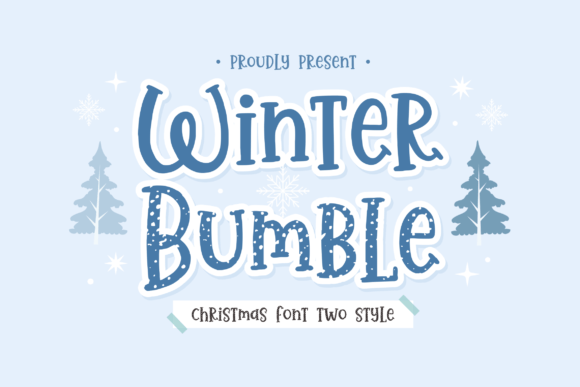
When designing for the holiday season, choosing the right typeface can elevate your web projects from generic to memorable. Winter Snowy is a display font that brings warmth and charm to digital experiences, especially when used in festive contexts. Its cute and friendly design makes it ideal for creating visual accents that resonate with users during the winter months.
Festive Typography for Holiday Themes
Winter Snowy features soft curves and a gentle snow effect that adds an extra layer of personality to text. This subtle detail helps differentiate it from other display fonts while maintaining a clean and readable structure. The font’s character shapes are designed to be both inviting and elegant, making it perfect for seasonal campaigns or holiday-themed websites.
For designers working on online stores, landing pages, or social media graphics, this font can serve as a great accent to highlight promotions, product names, or event titles. It works well in headers, banners, and call-to-action sections where you want to draw attention without overwhelming the viewer.
Applying Winter Snowy in Real-World Layouts
Consider using Winter Snowy for hero section headlines on a boutique online store. Pairing it with a simple sans serif font like Helvetica or Arial for body copy creates a balanced contrast that improves readability while keeping the festive vibe intact. The same approach can be applied to coaching websites or course sales pages where the tone needs to be both professional and personable.
In a creative portfolio site, Winter Snowy could be used for section headings or project titles. It adds a touch of personality without detracting from the overall professionalism of the design. For digital ads or blog headers, the font’s unique style can help capture attention quickly, encouraging users to engage further with the content.
Readability and Responsive Design
While Winter Snowy is best suited for short phrases and decorative elements, its legibility on mobile screens is still strong. When using it in buttons or small text areas, ensure sufficient spacing and contrast against backgrounds. Darker text on light backgrounds or vice versa will enhance visibility, especially on smaller screens.
Testing the font across different screen sizes is essential to maintain a consistent user experience. If the snow effect appears too busy at smaller resolutions, consider using a simpler variant or adjusting the font size accordingly.
Font Pairing and Brand Identity
A key aspect of effective typography is knowing how to pair fonts. Winter Snowy works well with minimalist sans serifs for body text, but it can also complement serif fonts in more editorial-style designs. The contrast between a decorative display font and a clean typeface helps establish a clear visual hierarchy, guiding users through the content efficiently.
For brand-focused web experiences, the font can reinforce a warm and approachable identity. Whether you're building a digital brand kit, packaging design assets, or social media templates, Winter Snowy adds a personal touch that aligns with the tone of your message.
Licensing and Commercial Use
Before incorporating Winter Snowy into client projects, online stores, or digital templates, make sure to review the commercial licensing terms. A premium font like this should come with proper permissions for use across multiple platforms and devices. Always check if the font includes webfont formats, alternate characters, multilingual support, and various weights to suit different design needs.
Having access to these options ensures flexibility in how you apply the font across different sections of a website or digital product. It also helps maintain consistency in branding, whether you're designing a logo, a banner, or a downloadable asset.
Conclusion
Winter Snowy is more than just a festive display font—it's a versatile tool that can enhance the visual appeal and emotional impact of your digital work. From creative portfolios to e-commerce banners, it offers a unique way to express personality and create engaging user experiences. When used thoughtfully, it supports both aesthetic goals and functional design principles, ensuring your web projects stand out in a meaningful way.