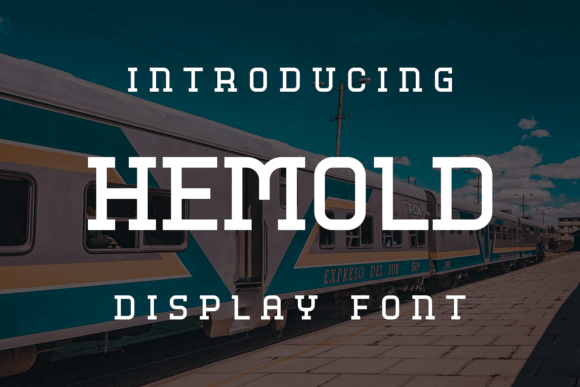
Hemold: A Cool Display Font for Your Brand
It was a quiet morning at my little bakery, and I was staring at the packaging for our new lavender honey loaf. The design felt off—too generic, too forgettable. I knew I needed something that would make our brand stand out, something that would catch people’s eyes and make them remember us. That’s when I discovered Hemold.
Hemold is a cool and unique display font. It has this neat, detailed look that feels both modern and classic. It’s not one of those fonts that screams “I’m trying too hard.” Instead, it carries a calm confidence, like it knows it’s special without needing to shout about it. And honestly, that’s exactly what I needed for my bakery’s branding.
How Hemold Changed My Bakery’s Look
I started by using Hemold on our product labels. The first thing I noticed was how much more elegant our packaging looked. The font had a clean, slightly curved edge that gave it a softness, which matched the gentle flavor of our lavender honey. It wasn’t just about looking good—it was about feeling right. Our customers started commenting on how our boxes stood out on the shelf, and even our regulars said they could tell our products apart from others now.
Then I moved to our menu board. I used Hemold for the main titles and paired it with a clean sans serif font for the descriptions. It created a nice balance—playful yet professional. The readability stayed strong, and the visual contrast made everything feel more organized. People were taking pictures of the menu, which was a bonus we didn’t expect.
Where Hemold Works Best in Small Business Design
Hemold isn’t just for bakery boxes. It’s a versatile display font that can work across a variety of small business needs. Here are some real-life applications that have worked well for me:
- Logo Design: Hemold adds a touch of personality to logos without overwhelming the design. It works especially well for businesses that want to feel approachable but still have a bit of flair.
- Product Labels: Whether you're selling candles, skincare products, or handmade goods, Hemold gives your labels a polished look that makes your brand feel more trustworthy.
- Social Media Graphics: I use Hemold for headlines on Instagram posts and stories. It grabs attention quickly and fits perfectly with the fast-scrolling nature of social media.
- Menus and Flyers: The font is great for short phrases and titles, making it ideal for café menus, event flyers, and promotional materials.
- Website Banners: When designing website banners, Hemold helps create a consistent visual tone that aligns with your brand identity.
One thing I’ve learned is that Hemold is best used for headlines, short phrases, and decorative accents. It’s not meant to be the main body text, but rather a way to highlight key messages or add visual interest. For longer text, pairing it with a simpler font like a sans serif or serif typeface helps maintain readability without losing that special touch.
Typography Tips for Small Businesses
Choosing the right font can change how your brand is perceived. Typography affects first impressions, readability, and even customer engagement. With Hemold, I found that it helped give our brand a more consistent and professional look. It also made our materials feel more cohesive, which is important for building trust with customers.
If you’re using Hemold on small labels or mobile screens, I recommend keeping the text size large enough to remain legible. For printed packaging, I always check how the font looks under different lighting conditions. On digital platforms, I test it across various screen sizes to ensure it still stands out without being too busy.
Font pairing is another area where Hemold shines. I often pair it with a clean sans serif font for a modern look, or an elegant serif font for a more traditional feel. If you're going for a whimsical vibe, a script or handwritten font can complement Hemold nicely, but I find that sticking to one or two complementary styles keeps things balanced.
What to Check Before Using Hemold
Before using Hemold on any commercial project, I always take a moment to review the included styles, file formats, and licensing options. It’s important to know whether the font supports multiple languages, offers alternates or ligatures, and comes in different weights. These features can affect how you use the font in different contexts, like packaging, web design, or print materials.
Also, checking the commercial font license ensures that you’re allowed to use the font for your specific purpose—whether it's on product packaging, digital downloads, or client projects. Taking these steps helps avoid any legal issues down the line and ensures your brand stays protected.
Hemold has become a staple in my design toolkit. It’s helped elevate my bakery’s visuals, and I believe it can do the same for other small businesses looking to make their brand more memorable and consistent. Whether you're updating labels, redesigning menus, or creating social media content, Hemold brings a unique charm that can help your brand shine a little brighter.